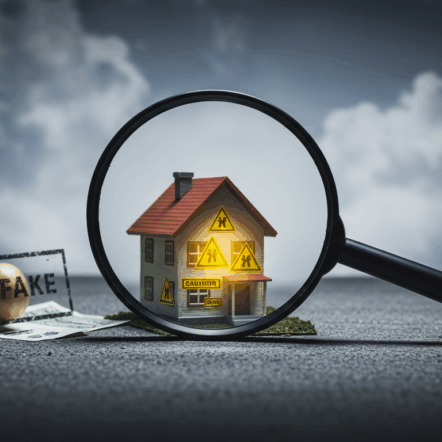

Real estate is booming and so are the scams. Every year, countless buyers and renters lose millions to fraudsters posing as landlords, agents, or developers. From fake documents to non-existent properties, the tricks keep evolving. But here’s the good news: with the right knowledge, you can outsmart them.
This guide will show you how to spot red flags, ask the right questions, and protect your money before it’s too late.
1. Too Good to Be True Deals
If a 4-bedroom duplex in Lekki is listed at half the market price, pause. Scammers thrive on urgency and greed.
• Red Flag: Prices that are way below market value.
• Reality Check: Use verified platforms to compare average rents and sales in the area.
2. No Verifiable Ownership Documents
The number one mistake buyers make is failing to verify documents.
• Always request a C of O (Certificate of Occupancy), Governor’s Consent, or at least a registered survey plan.
• Cross-check ownership at the Land Registry in the relevant state.
• Red Flag: Excuses like “the documents are in progress” or “you’ll see them after payment.”
3. Pressure Tactics & Fake Urgency
Scammers often push you to pay immediately with lines like:
• “Other buyers are waiting.”
• “You’ll lose this deal if you don’t pay today.”
• Pro Tip: Genuine sellers and agents allow you time to inspect, verify, and consult a lawyer before payment.
4. Shady Agents & Middlemen
Not all “agents” are professionals. Some are just hustlers with no license.
• Always confirm if your agent is registered with NIESV (Nigerian Institution of Estate Surveyors & Valuers) or recognized local real estate associations.
• Red Flag: Agents who can’t show an ID card, office address, or verifiable references.
5. Suspicious Payment Requests
Never pay into personal accounts if the deal is supposedly from a company.
• Always pay into the official account of a registered firm.
• Avoid cash payments without receipts.
• Pro Tip: Engage a property lawyer to hold money in escrow until documents are verified.
6. Non-Existent or Double-Sold Properties
Scammers sometimes “sell” the same land to multiple buyers.
• Conduct a search at the Land Registry before paying.
• Visit the site yourself; don’t rely only on pictures or videos.
• Red Flag: Sellers who refuse a physical inspection or insist on “virtual only.”
Scams real estate market are real, but they’re avoidable. By verifying documents, refusing pressure tactics, and working with trusted professionals, you can secure safe and profitable investments.
👉 Your turn: Have you or someone you know ever almost fallen for a property scam? What was the biggest red flag you noticed?